
Editor’s Notes
Total Results: 1697
Volume 110 : July 2025 Issue
Structural mechanisms of pressure-induced isosymmetric second-order phase transitions
https://doi.org/10.2138/am-2024-9497
Pressure-induced polymorphic phase transitions play a pivotal role in fundamental physics and chemistry. Among these transitions, isosymmetric phase transitions are particularly intriguing as they maintain crystal symmetry throughout the process and display characteristics of both first- and second-order transitions. To address why an increase in chemical bonding induced by pressure triggers isosymmetric first-order phase transitions in specific crystalline materials, while simultaneously exhibiting isosymmetric second-order phase transitions in others, Zhong et al. conducted a meticulous investigation focusing on cerite, a rare earth element (REE) mineral with unique structural characteristics that suggest its potential to undergo bonding increases under high pressure. The study examined the structural evolution of cerite under high pressures and revealed an isosymmetric second-order phase transition occurring at 5.5 GPa, attributed to the formation of new REE-O bonds. The results present novel support for the occurrence of bonding increase-triggered isosymmetric second-order phase transitions under pressure and allow a comprehensive classification of the five types of pressure-induced isosymmetric phase transitions.
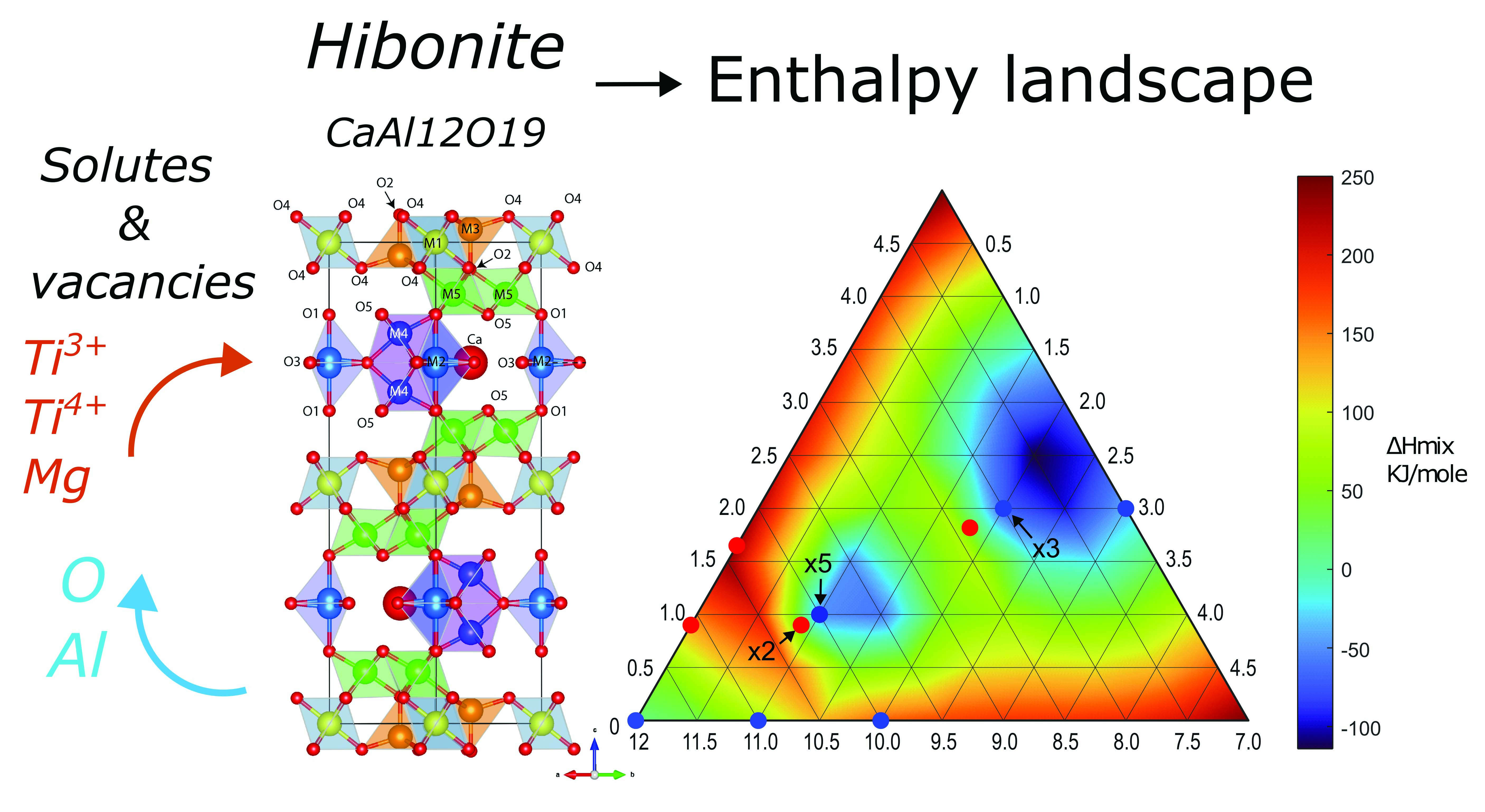
A first-principles investigation on the enthalpy landscape for the hibonite solid solution: Implications for a nebular barometer
https://doi.org/10.2138/am-2024-9449
The abundance of titanium (Ti) in hibonite, a mineral forming very early in solar nebula condensation, can be important to understanding the chemical environment of this system. In part, the Ti content reflects fO2 of the equilibrating environment, considering the variable oxidation states of the element (Ti3+ and Ti4+). However, bulk composition of the system also mitigates the valence state of Ti in hibonite. Zanetta and coauthors applied density functional theory to known hibonite compositions to determine that coupled substitution (Ti4++Mg2+ for 2Al3+) was the most energetically favorable mechanism for Ti incorporation. The research is an important step toward comprehensive thermodynamic modeling of early solar system materials.
Oboniobite (Mg4Nb2O9), a new magnesic-niobic oxide mineral from the Bayan Obo deposit, China
https://doi.org/10.2138/am-2024-9469
A new magnesic-niobic mineral has been discovered in the Bayan Obo deposit, China. The ideal formula of the mineral is Mg4Nb2O9, and it has been named oboniobite. Both the mineral and its name have been approved by the IMA-CNMNC (2023-118a). The mineral occurs in a Meso-Proterozoic dolomite-calcite carbonatite dike and is associated with fersmite, columbite, pyrochlore, apatite, magnetite, dolomite, and calcite. Oboniobite shares a similar elemental composition with columbite-(Mg) and ternovite, yet it is notably different in its crystallographic, physical, and optical properties compared to the other two minerals.
Hoperanchite, (NH4)2(S2O3), a new mineral from an active vent in a burning bituminous shale
https://doi.org/10.2138/am-2024-9625
An active vent in a naturally burning bituminous shale near Santa Barbara, California, U.S.A., has produced the new mineral hoperanchite (ammonium thiosulfate). Hoperanchite (IMA2024-017), has the formula (NH4)2(S2O3). It is the first thiosulfate mineral that does not contain essential Pb.
Deciphering the origin of low-grade W mineralization and hydrothermal fluids in the oxidized Fujiashan W skarn deposit using garnet geochemistry
https://doi.org/10.2138/am-2024-9452
Garnet plays a crucial role in skarn deposits, with its chemical and isotopic composition serving as valuable indicators for understanding the origin and evolution of mineralizing fluids. Fluorine potentially facilitated the transportation of Al to the distal skarn in this deposit, leading to an elevation in the grossular component from the proximal to distal skarn zones. These variations suggest that the zoning patterns within W skarn systems may differ from those observed in other types of skarn systems, such as Cu skarns. This study highlights high concentrations of W within andradite and lacks evidence of re-equilibration during retrograde alteration. This suggests W within W-rich garnet is unlikely to be remobilized by fluids and reconcentrated as scheelite. This may explain the low W grade in oxidized skarns.
The valence states of Nb and Ta in magmatic-hydrothermal systems: Insights from combined SXAS and XPS analyses of titanite and ilmenite in two Chinese anorogenic suites
https://doi.org/10.2138/am-2024-9610
Significant fractionations of Nb and Ta have recently been documented in diverse magmatic-hydrothermal and metamorphic systems, but their origin remains unclear. Our SXAS and XPS data showed that Nb5+ (and minor Nb4+) dominates in ilmenite with Nb/Ta > 30, whereas titanite and ilmenite with Nb/Ta < 30 contain mixed Nb5+ and Nb4+ states. The presence of high proportions of Nb4+ in magmatic titanite from the Fangcheng and Ziyang alkaline intrusions points to the possible existence of tetravalent niobium in the Earth's mantle. The significant Nb/Ta fractionations (5.3 to 65) in magmatic-hydrothermal titanite and ilmenite are governed by the prevailing oxygen fugacity. Therefore, the applications of Nb/Ta systematics as a geochemical tool for discriminating magma sources and tracing Earth and other planetary processes must be treated with circumspection.
Mineralogical characterization of the Seffner fulgurite, Florida: Insights into lightning-induced petrogenesis
https://doi.org/10.2138/am-2024-9558
Fulgurites provide unique evidence of high-temperature processes and rapid quenching in natural settings. The present study can help geologists understand the conditions under which minerals can melt and rapidly solidify, offering insights into the extreme thermodynamic environments that are otherwise challenging to replicate in laboratory settings.
Volume 110 : June 2025 Issue
Mindat.org: The open access mineralogy database to accelerate data-intensive geoscience research
https://doi.org/10.2138/am-2024-9486
Ralph et al. present information about Mindat, one of the largest databases about mineral species and their distributions. The aim is for users to be aware of the characteristics of the records in the database and better plan their usage in research.
An experimental study of the breakdown of dolomite in H2O at 700 °C, 100 MPa
https://doi.org/10.2138/am-2024-9368
Labotka et al. conducted hydrothermal experiments to determine the mechanism of the reaction dolomite → periclase + calcite + CO2, a reaction observed in contact-metamorphosed dolomite rock. Using single grains and cores of dolomite rock, they reported on the results of experiments with single grains of dolomite, developed a model for the replacement of dolomite by reaction products based on the topochemical, or shrinking-core, process, and applied the model to a simple case of contact metamorphism. The model is broadly applicable to many cases of mineral replacement reactions in hydrothermal systems.
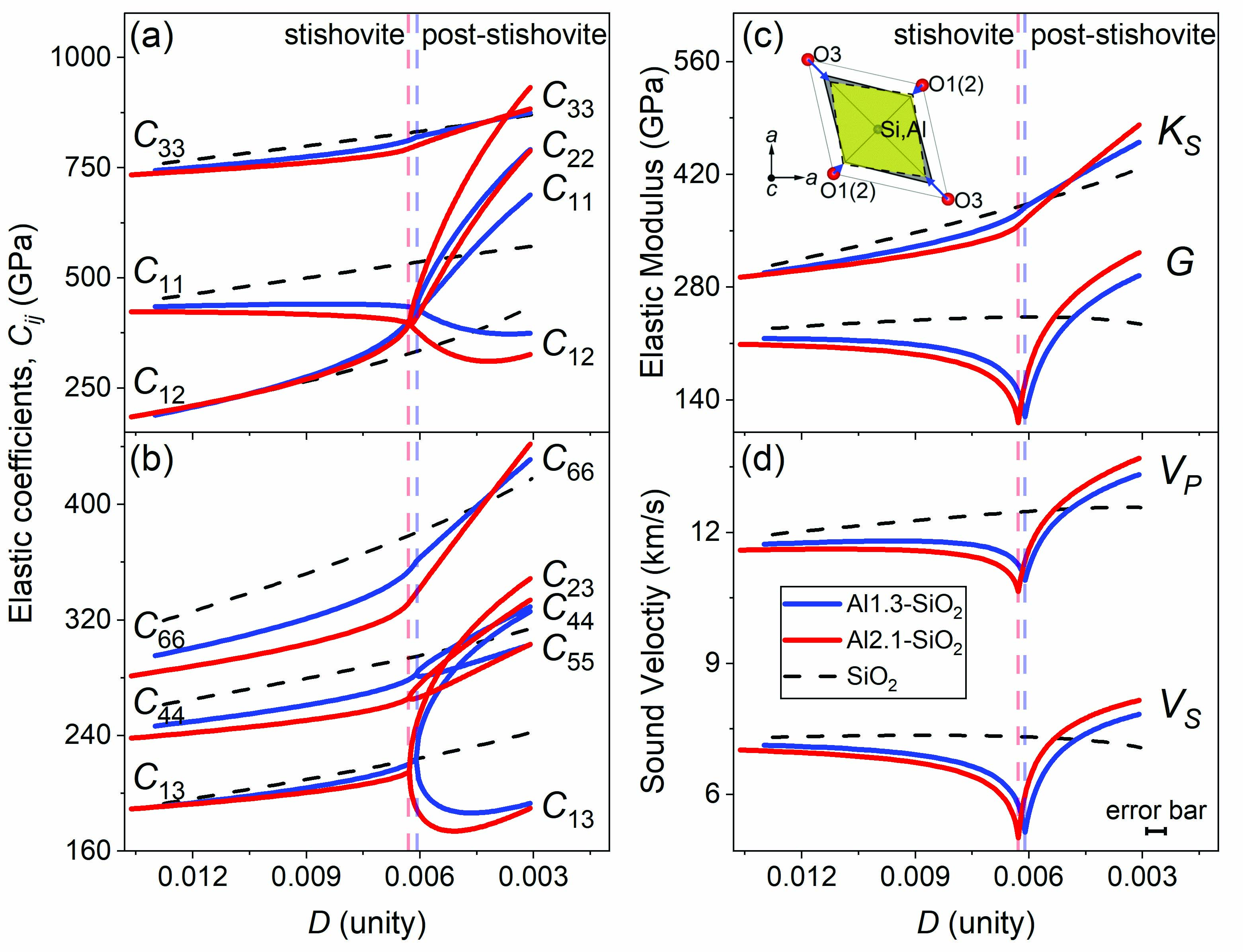
Atomistic mechanism of Al substitution effects on the poststishovite transition by high-pressure single-crystal X-ray diffraction
https://doi.org/10.2138/am-2023-9257
Aluminum and hydrogen can dissolve into stishovite, a common high-pressure form of silica found in subducting oceanic crusts within the mantle transition zone (410–660 km depth) and the upper part of the lower mantle (660–1900 km depth). This dissolution of aluminum can affect the speed of sound and the stishovite to post-stishovite phase transition pressure. This transition can potentially lead to unusual seismic wave velocity behaviors observed in the upper lower mantle. This, in turn, could be linked to the existence of subducting oceanic crusts in the lower mantle. However, the impact of aluminum dissolution on the seismic wave speeds remains unknown. Zhang et al. determined the atomic positions and crystal structures of aluminum-containing stishovite and post-stishovite under high pressure. This study allows a atomistic understanding of how aluminum dissolution influences the elastic properties, and thus, has important implications for our understanding of deep-mantle seismic observations.
Cathodoluminescence textures and trace elements in quartz: Constraints on Ag mineralization in adulariasericite epithermal systems
https://doi.org/10.2138/am-2024-9415
This study is the first to reveal that epithermal quartz with CL-blue (red-green-blue false color) zonal textures and high-Sb concentrations is related to Ag mineralization that formed by boiling, using SEM-CL images, CL spectra, LA-ICP-MS, electron spin resonance (ESR), fluid inclusion petrography, and geochemical modeling. The results support the previous fluid evolution model in magmatic-hydrothermal systems and help fill the data gap (847 in situ data) of Ag-rich epithermal deposits. The CL textures and trace elements of quartz help understand ore genesis in epithermal systems by identifying veins.
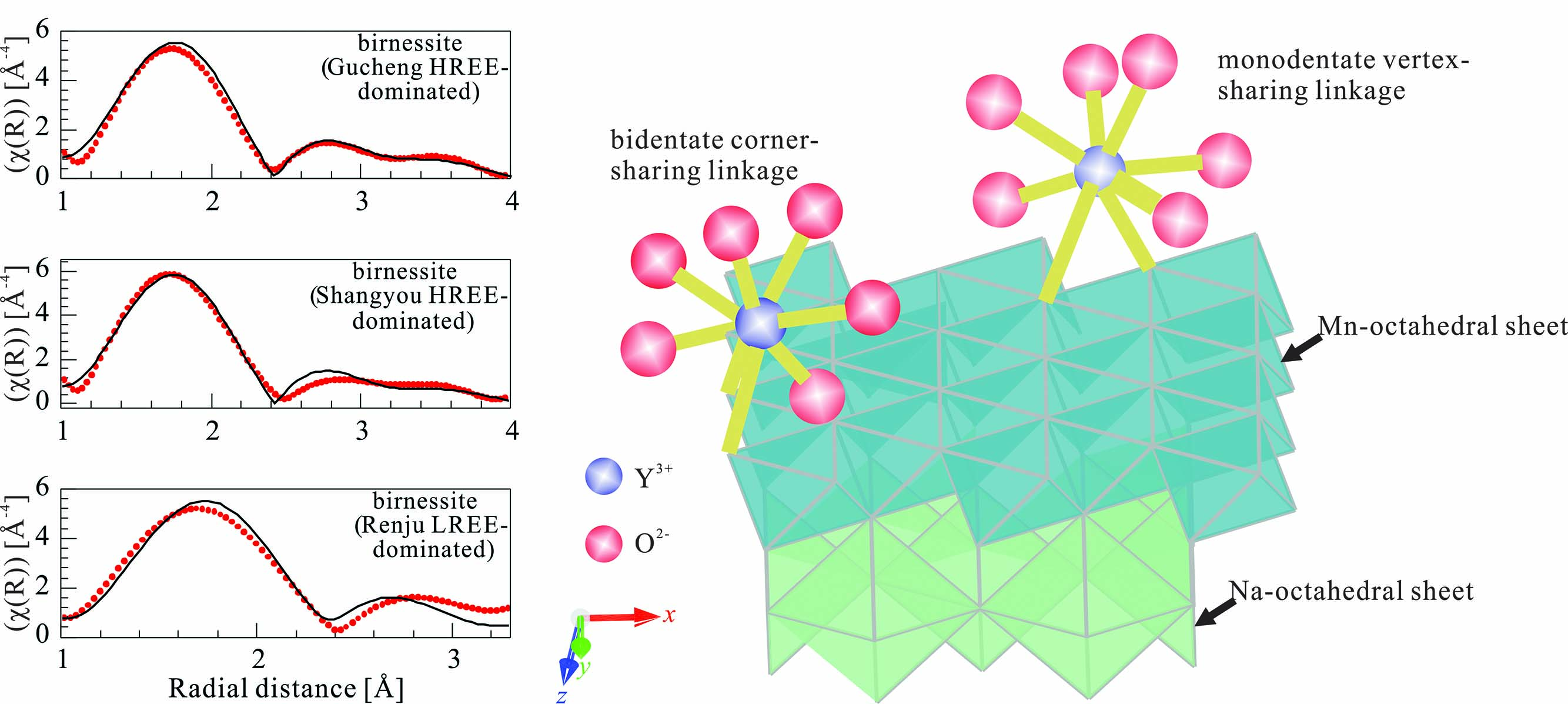
Binding mechanisms of Y and HREE sorption on birnessite: New insights into the formation and sustainable development of regolith-hosted REE deposits
https://doi.org/10.2138/am-2024-9451
Birnessite is a minor mineral but a major carrier of HREE in regolith-hosted REE deposits. This study shows that birnessite from HREE- and LREE-dominated deposits has different binding mechanisms of Y (and HREE) sorption. These binding mechanisms of Y and HREE sorption on birnessite controlled by ionic strengths not only can account for the REE fractionation responsible for the formation of HREE-dominated deposits from LREE-enriched granites but also have important implications for the sustainable development of regolith-hosted REE deposits.
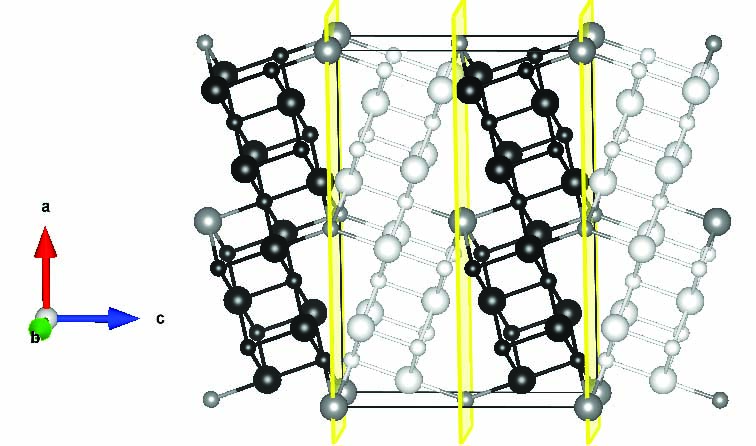
Structural rationale for twinning in galena and a possible relation with the lillianite homologous series
https://doi.org/10.2138/am-2024-9484
Two reflection twins are known in the literature for galena: on {111} (spinel twin), frequent, and on {114}, rare and lamellar. The galena structure is highly pseudo-symmetric with respect to a reflection about {111}: at the composition plane, the Pb and S coordination change from octahedral to trigonal prismatic, without modification of the bond distances but with a shrinkage of the non-bonding Pb-Pb and S-S distances. The coordination around the composition plane of the {114} twin is instead broken, with too short non-bonding Pb-Pb and S-S distances and empty regions. This study provides insight into the highly different occurrence frequencies of the two twins in galena by studying the structure of the interface between two twinned crystals.
Influence of cation disorder on the mineral physics of ankerite
https://doi.org/10.2138/am-2024-9495
The structural evolution and compressibility of ordered and disordered ankerite at pressures up to ~25 GPa were studied using synchrotron single crystal X-ray diffraction in diamond anvil cell. Ordered ankerite (space group R3) undergoes discontinuous phase transition between 12.15 and 13.45 GPa to a high-pressure structure called ankerite-II (space group P1) that has Ca in eight-fold coordination. Disordered ankerite (R3c space group) does not undergo a phase transition in the investigated pressure range. The results provide the basis for further studies of the influence of ankerite on the low-velocity anomalies observed in the mantle wedge.
Formation of giant copper deposits driven by rapid uplift and sudden depressurization
https://doi.org/10.2138/am-2024-9425
The post-collisional magmas associated with giant porphyry deposits show low-zircon water contents. The magmas with lower or no mineralization potential have relatively higher water zircon contents. Rapid cooling and depressurization within mid-upper crustal magma chambers drive voluminous volatile exsolution and fluid discharge, causing intense hydrothermal alteration and large-scale mineralization. The uplift rate and depth of granitic bodies are indicators of the potential for mineralization.
Thermal expansion of ršmerite under low-temperature conditions
https://doi.org/10.2138/am-2024-9432
Bird et al. present low-temperature X-ray diffraction data for römerite, a hydrous sulfate with potential relevance to Mars and the icy satellites of Jupiter. These measurements are supported by additional Mössbauer and Raman spectroscopy measurements. The data inform a new model of römerite’s thermal expansion coefficient at temperatures relevant to the planetary bodies in question and constrain additional thermodynamic quantities. These results will aid future studies in physical modeling of planetary surfaces.
Ezochiite and shiranuiite are cuprorhodsite and are not new mineral species
https://doi.org/10.2138/am-2024-9517
Cabri and McDonald examined the data for the new mineral species ezochiite and shiranuiite and argued that they are not new unique minerals but rather represent varieties of cuprorhodsite, ideally CuRh2S4.
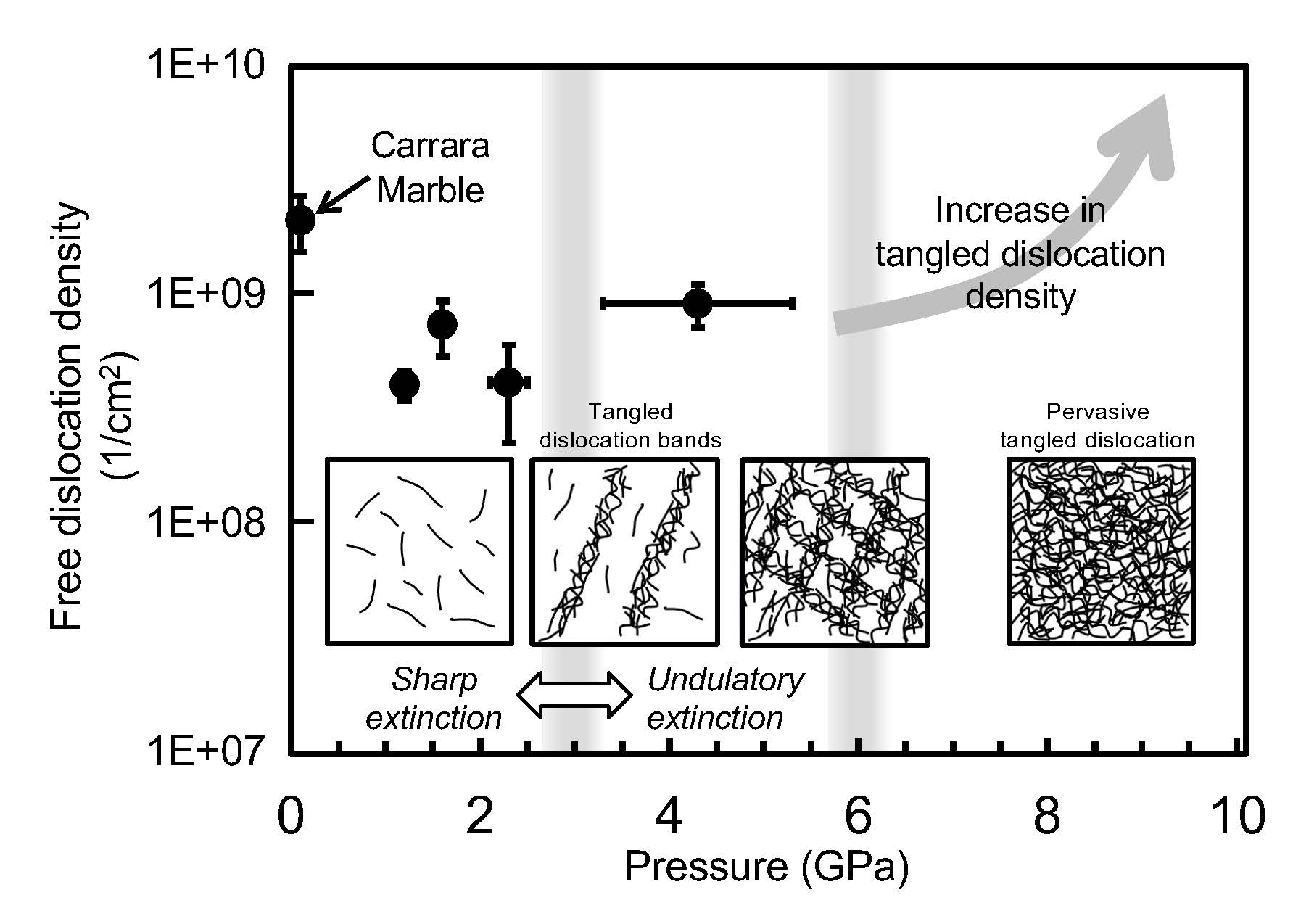
Progressive change in dislocation microstructures in shocked calcite with pressure: Characterization of micrometeoroid bombardment on asteroid Ryugu
https://doi.org/10.2138/am-2024-9540
The progressive change in the dislocation microstructure of experimentally shocked calcite was studied by transmission electron microscopy. The calcite shows a drastic increase in dislocation density: dislocation nucleation occurs heterogeneously on the slip planes at ~3-6 GPa and homogeneously throughout the crystal above 6 GPa. The microstructural changes are suitable for new efficient pressure barometers for weakly shocked hydrated planetary materials, represented by the regolith particles of the asteroid Ryugu.
Hanswilkeite, KFeS2, a new peralkaline sulfide mineral
https://doi.org/10.2138/am-2024-9494
Hanswilkeite, KFe3+S2, a new peralkaline sulfide discovered in nature, can be considered as an indicator of an extreme potassium-rich environment superimposed onto anhydrous and oxidizing formation conditions. The latter raises questions regarding its redox compatibility with coexisting oldhamite, CaS.
Porphyry Cu-Mo mineralization at Anabama Hill, Delamerian Orogen, South Australia: Fertility assessment implied from epidote and chlorite chemistry
https://doi.org/10.2138/am-2024-9471
Birnessite is a minor mineral but a major carrier of HREE in regolith-hosted REE deposits. This study shows that birnessite from HREE- and LREE-dominated deposits has different binding mechanisms of Y (and HREE) sorption. These binding mechanisms of Y and HREE sorption on birnessite controlled by ionic strengths not only can account for the REE fractionation responsible for the formation of HREE-dominated deposits from LREE-enriched granites but also have important implications for the sustainable development of regolith-hosted REE deposits.
« ‹ 1 … 5 6 7 8 9 … 85 › »ADDITIONAL RESOURCES